Why Your Material Supplier Actually Matters
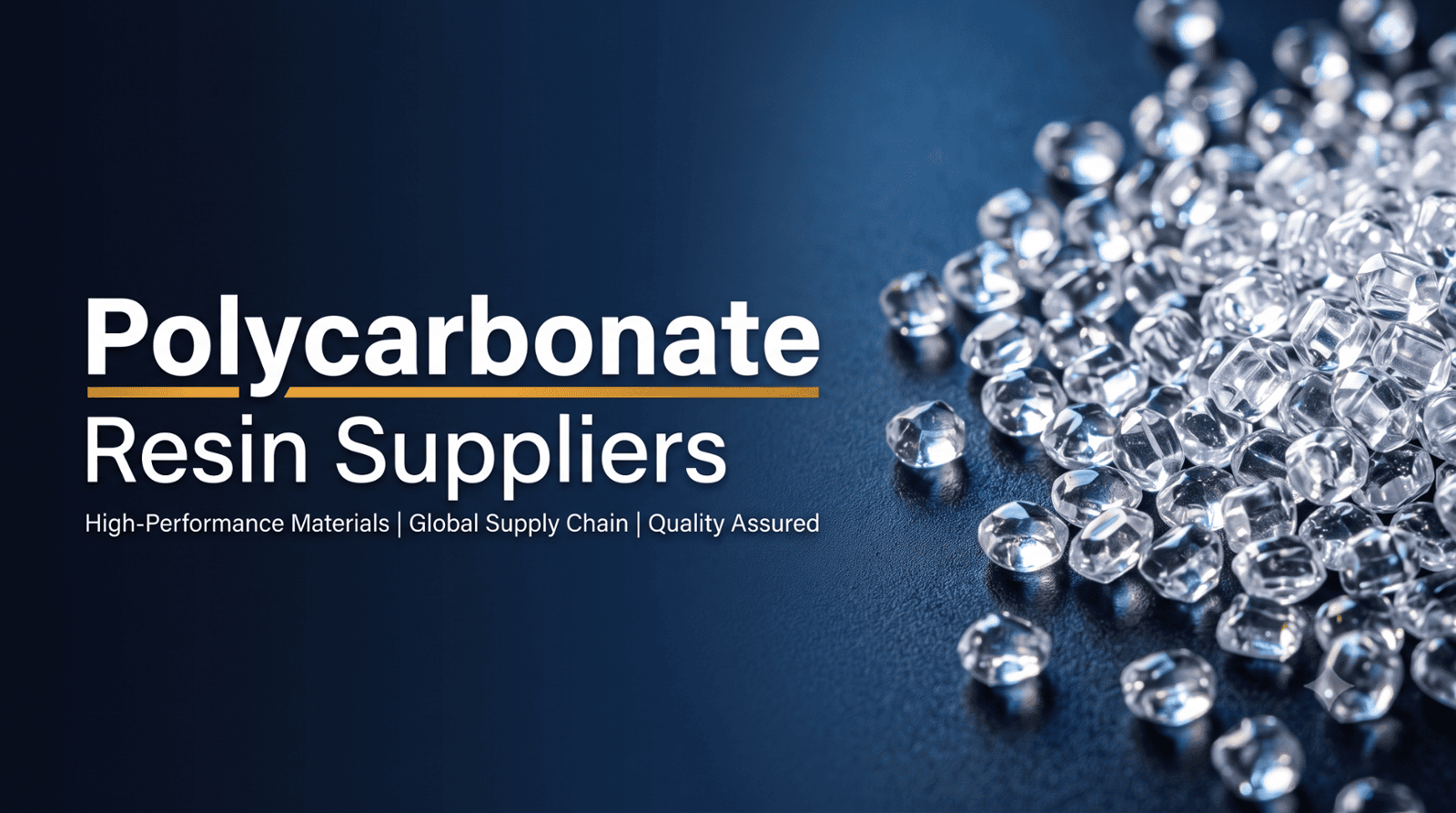
Look, I get it. Sourcing polycarbonate resin feels like it should be simple—you need the material, you find a supplier, you order. But here's the thing: the quality of your polycarbonate resin supplier can literally make or break your entire product line. We're talking about the difference between parts that last decades and components that fail in the field, between margins that make sense and pricing that leaves you scratching your head.
Over the years of working across manufacturing and commercial industries, I've learned that finding the right polycarbonate resin supplier isn't just about hunting for the lowest price per kilogram. It's about understanding what you actually need, knowing which grades exist, recognizing legitimate certifications, and—honestly—building a relationship with someone who gets your project's specific demands.
So whether you're sourcing for automotive components, electronics housings, optical lenses, or industrial lighting, this guide will help you navigate the landscape of polycarbonate resin suppliers and manufacturers with confidence. Let's dig in.
What Polycarbonate Resin Actually Does
Polycarbonate resin is an engineering-grade plastic prized for one main superpower: it takes a hit and doesn't crack. Toughness is its whole personality.
You'll find it doing heavy lifting in:
- Automotive parts — headlamp lenses, interior trim, sensor housings
- Electronics — laptop and phone casings, connector housings
- Transparent sheets — greenhouse panels, security glazing, skylights
- Optical products — eyeglass lenses, camera components
- Lighting — LED covers, diffusers, fixture housings
If a product needs to be clear, strong, and lightweight all at once, polycarbonate is usually the resin doing the quiet work behind the scenes.
The Critical Factors When Choosing a Polycarbonate Resin Supplier
Here's where the real work begins. Not all polycarbonate resin exporters and polycarbonate granules suppliers are created equal. Let me walk you through what separates the professionals from the also-rans.
Product Grade and Form
The first question your supplier should ask you isn't "what's your budget?"—it's "what application are we solving for?" This matters because polycarbonate resin comes in dozens of configurations:
- Clear/Optical Grade: For lenses, transparent components, visual applications
- Flame Retardant: For electronics and safety-sensitive applications
- UV Stabilized: For outdoor use (automotive, industrial lighting)
- Glass-Filled: For increased rigidity and thermal performance
- Medical Grade: For healthcare and pharmaceutical contact applications
- Standard Industrial: The workhorse for general injection molding
A solid supplier will have datasheets for each grade, explain the mechanical properties honestly, and help you understand polycarbonate mechanical properties specific to your use case. They'll also stock polycarbonate pellets and granules (or access them quickly), and some offer custom formulations if you need something specialized.
Certifications and Trust Signals
This is where EEAT (Expertise, Experience, Authoritativeness, Trustworthiness) becomes tangible. When evaluating a polycarbonate resin supplier, ask about:
- ISO 9001: Quality management systems
- ISO 14001: Environmental management
- SGS Certification: Third-party material testing and verification
- RoHS Compliance: For electronics applications (lead-free, halogen-free)
- FDA Compliance: If food contact or medical use is involved
A reputable supplier will have these certifications documented, not just claimed. Better yet, they'll provide certificates of analysis or technical datasheets from independent labs. This isn't paranoia—it's due diligence. When you're building products that people rely on, these certifications become your quality insurance.
Minimum Order Quantity (MOQ) and Pricing Structure
Here's where honesty gets tested. Quality polycarbonate resin comes at a cost, and that cost varies wildly depending on grade, volume, and market conditions.
What is the typical price of polycarbonate resin? The answer is: it depends. And that's not dodging—marketplace listings show pricing that ranges from $3-8 per kilogram for standard grades, climbing to $15+ per kilogram for specialty formulations. Factors that influence price include:
- Grade (optical vs. industrial)
- Quantity (per kilogram pricing drops as you buy metric tons)
- Geographic origin (some suppliers offer better pricing on regional materials)
- Current market conditions (resin pricing fluctuates with petrochemical markets)
The best suppliers are transparent about pricing structures. They'll show you how polycarbonate resin price per kg shifts with volume, and they'll help you find the volume sweet spot for your operation. Beware of suppliers who seem artificially cheap—that's often a sign of compromised quality or unclear specifications.
Lead Time and Supply Reliability
A professional polycarbonate resin distributor will:
- Commit to published lead times and stick to them
- Maintain regional warehousing for faster fulfillment
- Have backup suppliers or safety stock for critical materials
- Provide real-time inventory visibility (not just promises)
- Communicate proactively about delays or supply constraints
This is especially important if you're sourcing across regions—a supplier in Mexico, Brazil, or Africa serving North America needs different logistics than one serving the Middle East or Europe.
Technical Support and Datasheets
Here's something that separates the amateurs from the professionals: actual technical support.
A top-tier polycarbonate resin manufacturer or supplier will provide:
- Detailed polycarbonate technical datasheets with complete specifications
- Processing guidance for polycarbonate injection molding, extrusion, and other methods
- Troubleshooting support if parts aren't coming out right
- Application-specific recommendations
- Training or documentation for your technical team
Some suppliers offer free sample batches or processing trials. That's a green flag. It means they're confident enough in their material to let you test it yourself.
Application-Specific Supplier Strategies
Different industries have different demands. Here's how to think about sourcing by application:
Polycarbonate for Automotive
Polycarbonate for Electronics
Polycarbonate for electronics requires materials that are:
Electronics suppliers are a different breed. They need to understand miniaturization, thermal management, and the speed at which consumer electronics markets move.
Electronics suppliers are a different breed. They need to understand miniaturization, thermal management, and the speed at which consumer electronics markets move.
- Flame-retardant (UL 94 V-0 or better)
- Low-smoke and low-halogen compliant
- ESD-safe (for some applications)
- Capable of tight tolerances for precision components
Electronics suppliers are a different breed. They need to understand miniaturization, thermal management, and the speed at which consumer electronics markets move.
Polycarbonate for Optical Applications
Want optical-grade material? The supplier must maintain the strictest purity standards, offer premium grades with certified clarity, and provide datasheets on light transmission and refractive index. This is where supplier reputation genuinely matters.
Processing Methods: Injection Molding, Extrusion, and Beyond
Injection molding is genuinely one of the most common processing methods for polycarbonate resin, and it's why so much of what you touch daily — device housings, automotive components, appliance parts — started life as PC pellets fed into a molding machine.
Extrusion is the other major route, especially for producing sheets used in glazing, signage, and greenhouse panels. If your end product is a flat or profiled sheet rather than a molded part, you'll want a supplier whose material is specifically suited (and often pre-tested) for extrusion processing.
Conclusion: Your Next Move
Finding the right polycarbonate resin supplier isn't a race—it's an investment in your product quality, supply chain stability, and ultimately your reputation in the market. The supplier you choose today might be a partner for years, so choosing thoughtfully pays dividends.
Here's what I'd suggest: Go back through the checklist above, identify which factors matter most to your specific application, and start researching suppliers who genuinely excel in those areas. Get samples. Ask technical questions. Check references if you can. And remember—the cheapest option rarely stays cheap once you factor in quality issues, delayed shipments, or technical frustrations.
Ready to find your ideal polycarbonate resin supplier? Start with one of the major marketplaces (Made-in-China or TradeIndia), meet your basic criteria, request datasheets and samples, and evaluate based on the factors we discussed.
What applications are you sourcing for? What's your biggest sourcing challenge right now? Let me know in the comments—I'd love to help you think through it.